Fluids play a vital role in every vehicle system, from the engine to the brakes. These specialized liquids—such as motor oil, coolant, brake fluid, and transmission fluid—are designed to lubricate moving parts, transfer heat, reduce friction, and ensure smooth operation. Without them, even the most advanced vehicle cannot function efficiently.
Using the right fluids in the right way is essential for maintaining performance and extending the lifespan of your car. Proper fluid use helps prevent overheating, protects components from wear, and supports fuel efficiency. Neglecting fluid care, on the other hand, can lead to costly repairs and reduced reliability over time.
Is Transmission Fluid the Same as Transaxle Fluid?
Many drivers wonder if transmission fluid and transaxle fluid are the same thing. While they share some similarities, they aren’t always interchangeable, and understanding the difference is important for proper vehicle care.
Transmission fluid: This fluid is used in automatic and some manual transmissions. It lubricates moving parts, cools the transmission, and ensures smooth gear shifts. Automatic transmission fluid (ATF) is specially formulated to handle high heat and friction, while manual transmissions may use gear oil or specific lubricants.
Transaxle fluid: A transaxle combines the functions of the transmission and the differential into a single unit, most commonly found in front-wheel-drive vehicles. Transaxle fluid not only lubricates gears and bearings but also supports power transfer to the wheels. In many cases, it can be the same as transmission fluid, but some vehicles require a unique formula specified by the manufacturer.
Similarities and differences:
Both fluids provide lubrication, cooling, and protection against wear.
Transmission fluid is primarily focused on gear shifting and hydraulic functions.
Transaxle fluid serves a dual purpose—supporting both transmission and differential components.
Depending on the vehicle, they may use the same fluid type, but in other cases, each requires a distinct product.
Is a Transaxle the Same as a Transmission?
Although the terms transmission and transaxle are sometimes used interchangeably, they are not exactly the same. Both play crucial roles in how power is delivered from the engine to the wheels, but their design and functions differ.
Transmission (gear shifting system): A transmission is a standalone system responsible for managing gear shifts and transferring power from the engine to the drivetrain. It adjusts torque and speed to ensure smooth acceleration and efficient fuel use. Transmissions can be automatic or manual, and they work alongside other drivetrain components like the differential.
Transaxle (transmission + axle combined): A transaxle integrates the transmission and differential into a single unit. This compact design is common in front-wheel-drive vehicles, where space efficiency is important. By combining these two systems, a transaxle handles both gear shifting and the distribution of power to the drive wheels.
Key distinctions in function and design:
Transmission: Focuses only on gear shifting and torque conversion.
Transaxle: Performs both transmission and differential functions in one housing.
Placement: Transmissions are often used in rear-wheel-drive vehicles, while transaxles are standard in front-wheel-drive and some all-wheel-drive vehicles.
In short, a transmission controls gear shifts, while a transaxle combines gear shifting and power distribution into a single system.
What Is Transaxle Oil Used For?
Transaxle oil is essential for keeping a vehicle’s transaxle system operating smoothly and efficiently. Since a transaxle combines both the transmission and differential into one unit, the oil must handle multiple tasks at once—ensuring lubrication, cooling, and protection for critical components.
Lubrication
One of the primary functions of transaxle oil is reducing friction between gears, bearings, and other moving parts. By providing a thin film between metal surfaces, the oil allows smoother gear shifts, minimizes grinding, and extends the lifespan of the system.
Cooling
As gears rotate and power transfers to the wheels, heat builds up inside the transaxle. Transaxle oil helps regulate operating temperature by dissipating this heat, preventing overheating, and ensuring stable performance during long drives or heavy loads.
Protection
High-quality transaxle oil creates a protective barrier against wear, corrosion, and breakdown. It shields metal components from rust, prevents damage caused by moisture, and helps maintain the integrity of seals and gaskets. This level of protection reduces the risk of costly repairs and improves overall reliability.
Where Is Transaxle Fluid Located?
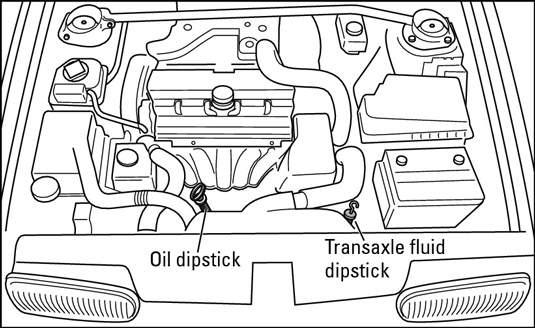
In most vehicles—especially front-wheel-drive (FWD) models—the transaxle fluid is stored inside the transaxle unit, which is mounted at the front of the car, near the engine. Since a transaxle combines both the transmission and differential, its fluid reservoir is typically positioned alongside or integrated with the transmission housing.
Checking transaxle fluid: Many vehicles come with a dipstick or fill plug specifically for the transaxle fluid. By pulling out the dipstick, you can check the fluid level and condition—healthy fluid usually appears reddish or pink, while dark or burnt-smelling fluid indicates it needs replacing. Some newer cars may not include a dipstick, requiring a professional inspection instead.
When and how to top it up: If the fluid is low, it can be topped up through the dipstick tube or fill port using the manufacturer-recommended transaxle or transmission fluid. It’s important not to overfill, as excess fluid can cause foaming, overheating, and shifting issues. Regular checks and timely top-ups help maintain smooth gear operation and extend the life of the transaxle.
Maintenance Tips for Transaxle and Transmission Fluid
Keeping your vehicle’s transmission and transaxle fluid in good condition is essential for smooth performance, fuel efficiency, and long-term reliability. Regular maintenance helps prevent costly repairs and ensures your car runs as intended.
How Often Should You Change It?
Most manufacturers recommend changing transmission or transaxle fluid every 30,000 to 60,000 miles, though intervals can vary depending on the make, model, and driving conditions. Vehicles driven in heavy traffic, hot climates, or used for towing may require more frequent fluid changes. Always check your owner’s manual for the specific service schedule.
Signs of Low or Dirty Fluid
Neglecting fluid maintenance can lead to noticeable performance issues. Common warning signs include:
Slipping gears or delayed gear engagement.
Overheating, especially during long drives or when towing.
Grinding or whining noises coming from the transmission area.
Burnt smell or dark color when checking the fluid.
If you notice any of these symptoms, it’s best to inspect the fluid immediately and replace it if necessary.
FAQs About Transmission and Transaxle Fluids
Can you mix transmission fluid and transaxle fluid?
In some vehicles, the same type of fluid can be used for both the transmission and the transaxle, but this is not always the case. Mixing fluids without checking your owner’s manual can lead to improper lubrication, overheating, and long-term damage. Always use the fluid type recommended by the manufacturer to avoid costly repairs.
How do you know if transaxle fluid is low?
Low transaxle fluid often shows up through performance issues such as slipping gears, delayed shifting, strange noises, or overheating. You can also check the dipstick or fill plug (if your vehicle has one) to inspect the fluid level. Healthy fluid should be at the recommended mark and appear clean with a reddish tint. If it’s low, dark, or burnt-smelling, it’s time for a top-up or replacement.
What happens if you don’t change transaxle fluid?
Neglecting transaxle fluid changes can cause excess friction, overheating, and internal wear. Over time, dirty or degraded fluid loses its ability to lubricate and protect gears, leading to slipping, poor performance, and eventually severe transmission or transaxle failure. Regular fluid replacement is far cheaper than rebuilding or replacing the entire unit.
Conclusion
Understanding the differences between transaxle fluid and transmission fluid is key to keeping your vehicle running smoothly. While both serve to lubricate, cool, and protect vital components, transaxle fluid supports a combined transmission and differential system, whereas transmission fluid is focused on gear shifting and hydraulic functions.
Regular maintenance—such as timely fluid checks and replacements—helps prevent overheating, slipping gears, and costly repairs. Fresh, clean fluid not only extends the life of your drivetrain but also ensures optimal performance and fuel efficiency.
To get the best results, always follow your manufacturer’s guidelines for fluid type and change intervals. Doing so will keep your transmission or transaxle system reliable for years to come.
Forscan software is a powerful diagnostic and configuration tool designed specifically for Ford, Lincoln, Mazda, and Bronco vehicles. It allows car owners and mechanics to...


 by
by
One comment
Pingback:
Forscan: Cost, Features, and Uses for Ford & Bronco Owners - AliBilal Electronics